Farming through the years
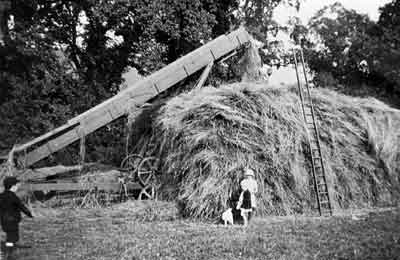
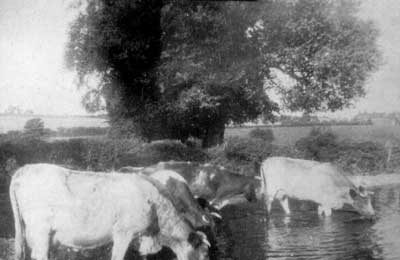
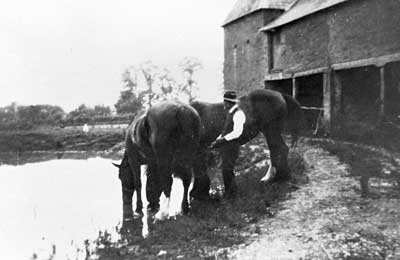
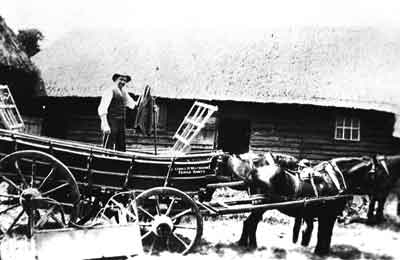
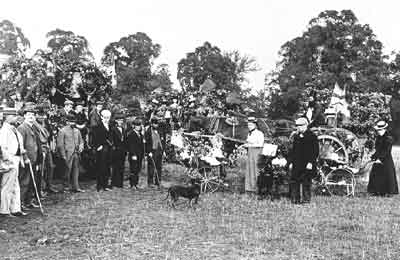
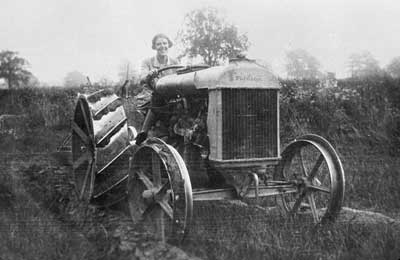
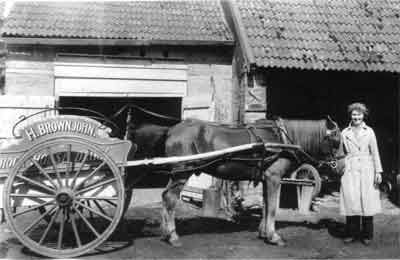
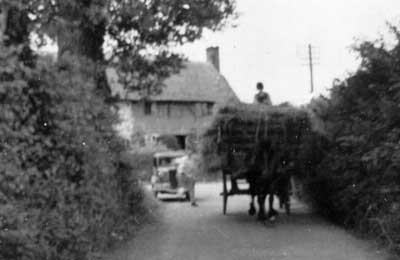
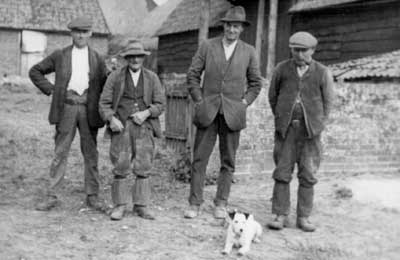
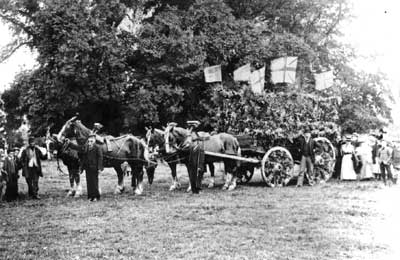
As well as the hops that generated such wealth in the two villages in the 18th and 19th centuries, there were other crops grown. Cereal crops were grown on the downland and, as well, sheep and cattle grazed the fields. Like all such communities Froyle was self sufficient – a browse through the censuses shows the huge variety of trades that were carried on in the village – although as the Victorian era ended, newer jobs appeared and the move from the land began. But Froyle continued in the old ways until after the Second World War as the following pictures will show. We have tried to date the pictures as best we can, but if you recognise anyone, please let us know!
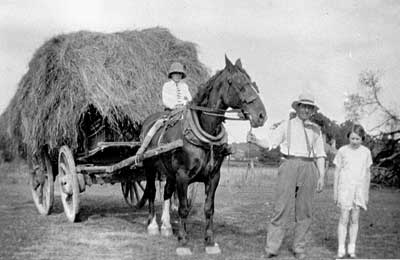
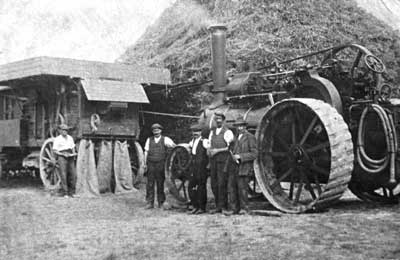
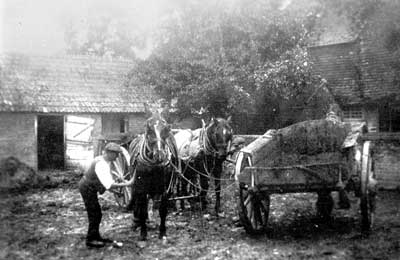
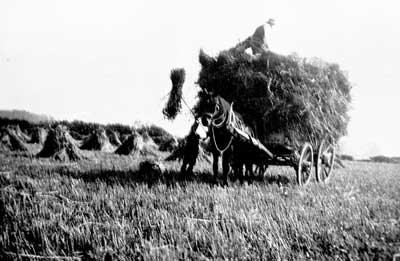
The Farms
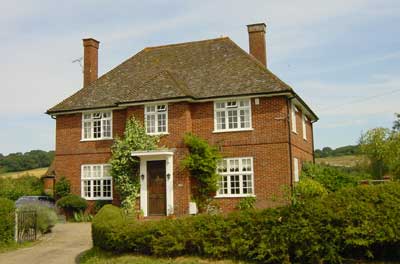
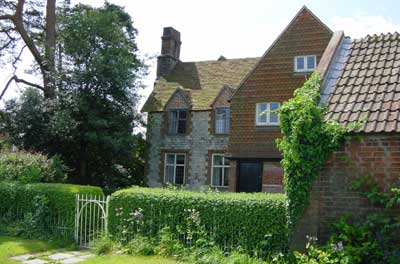
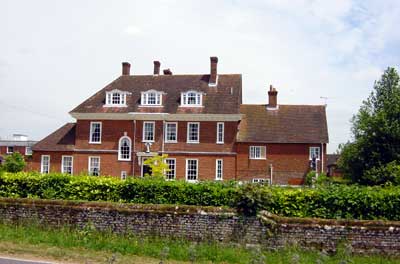
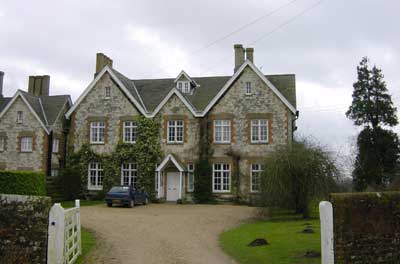
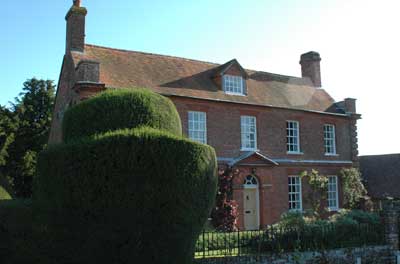
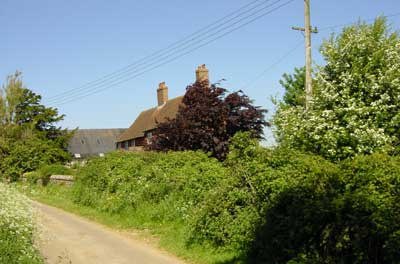
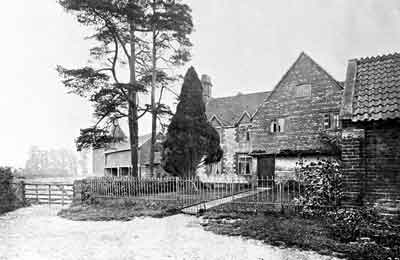
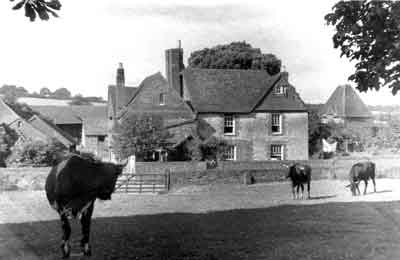
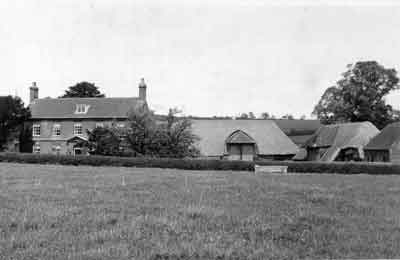
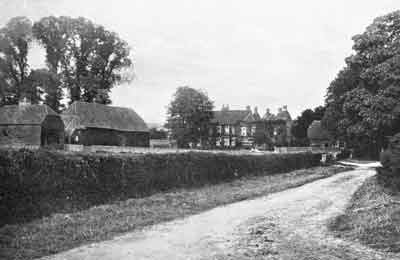
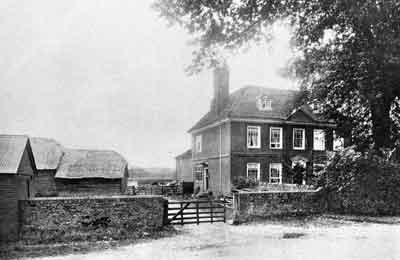
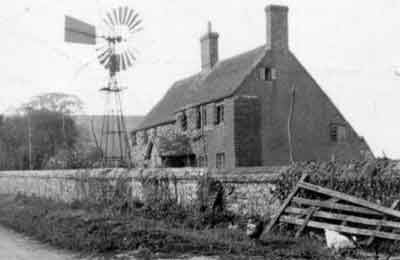
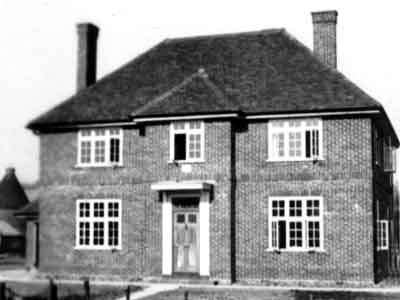
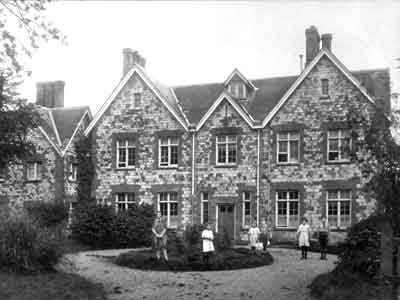
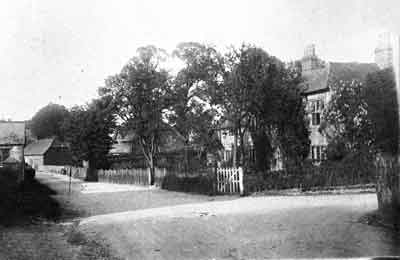
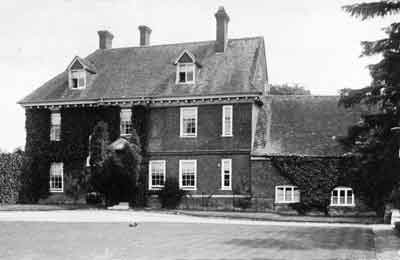
Equally important were the farms in the village. The majority were in Lower Froyle as Upper Froyle was mainly the Miller estate with the “Manor House” probably being the home farm house. We don’t have pictures of all the farms, some, like Newlands Farm and Baldwins were demolished and, so far, no photographs have come to light.
Farming Today
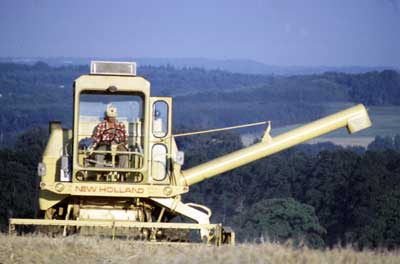
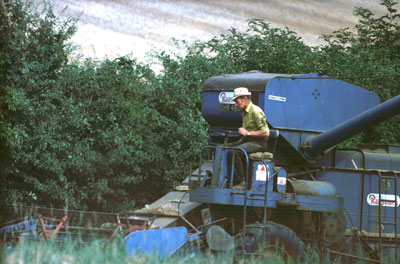
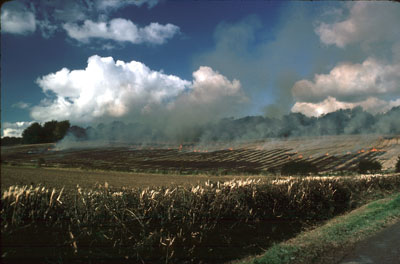
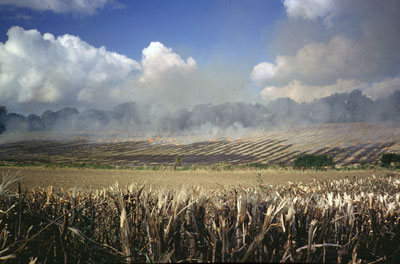
In the last half of the Twentieth Century major change swept through the farming community. Contractors took over the major jobs of ploughing, sowing and harvesting. These pictures capture the dying days of the individual farms. Stubble burning, shown below in 1977, was controlled by the Environmental Protection Act of 1990. Many of the farms shown in the previous section are now private residences.